
The Ultimate Guide to European Massage in Dubai: More Than Just Relaxation
Dubai. The city of shimmering skyscrapers, 24/7 hustle, and, let’s be honest, soul-crushing traffic on Sheikh Zayed Road. You work hard, you play hard, and your body is keeping the score. That stiffness in your neck? The dull ache in your lower back? That’s the “Dubai tax” on your well-being.
You’ve probably seen “European massage” on spa menus across the city, from JBR to Downtown. But what is it, really? Is it just a fancy name for a standard massage? And with so many options, how do you find one that actually melts away your stress and doesn’t just empty your wallet?
You’re in the right place. Forget the confusing spa brochures. This is the ultimate, no-fluff guide to finding the best European massage in Dubai. We’ll break down what it is, why you need it, and how to choose the perfect one for you.
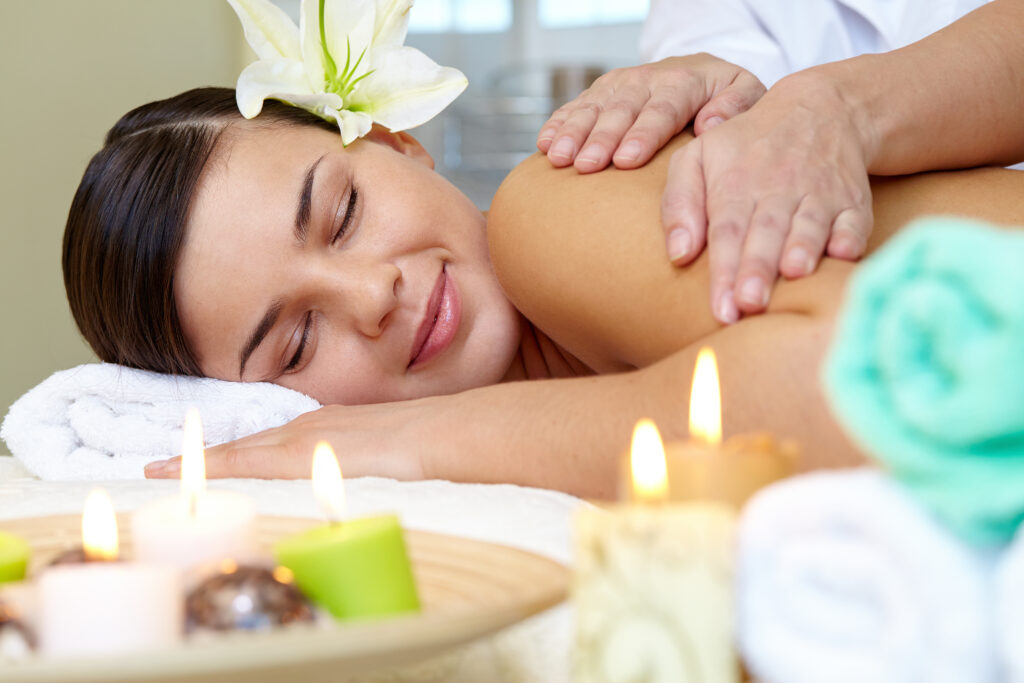
First Off, What Actually Is a “European Massage”?
Let’s clear this up. When you see “European massage,” 90% of the time, it’s referring to Swedish Massage.
Think of it as the original, the classic, the blueprint for all modern Western massage. It was developed in Sweden in the 19th century and is built on five core techniques that you’ve probably experienced even if you didn’t know their fancy names:
- Effleurage: Long, gliding, sweeping strokes to warm up the muscles and spread the oil. This is the “ahhh, that’s nice” part that starts and ends the session.
- Petrissage: Kneading, rolling, and lifting. This is the part that feels like a cat (a very strong cat) kneading dough. It’s fantastic for working out tension.
- Tapotement: Rhythmic tapping, patting, and “karate chopping.” This sounds weird, but it’s incredibly energizing and helps wake up the muscles.
- Friction: Deep, circular movements that target specific knots (adhesions). This is when the therapist uses their thumbs to dig into that one spot in your shoulder.
- Vibration: Using the hands or fingers to create a rapid, shaking motion. It’s great for loosening up tight areas.
A European (Swedish) massage is all about total relaxation and circulation. It’s designed to be soothing, improve blood flow, and gently ease muscle tension.
Why Dubai’s Hustle Culture Makes This Massage a Necessity
In a city that never (ever) sleeps, a European massage isn’t just a luxury—it’s essential maintenance. Here’s what it’s really doing for you.
Banish the “Desk Jockey” Backache
You spend eight hours at a desk in DIFC, then an hour in the car. Your posture isn’t happy. A European massage is a lifesaver for the “desk jockey” lifestyle. Those long, gliding effleurage strokes and targeted petrissage help to:
- Release tight shoulders that have been creeping up toward your ears all day.
- Ease lower back pain from sitting in one position for too long.
- Counteract “tech neck” from staring down at your phone.
A ‘Reset Button’ for Your Stressed-Out Mind
Your mind is a non-stop to-do list. The mental benefits of a good massage are just as powerful as the physical ones. A European massage is proven to:
- Lower cortisol (the stress hormone).
- Boost serotonin and dopamine (the “feel-good” chemicals).
- Improve sleep quality by helping your nervous system finally switch to “off” mode.
It’s basically a forced meditation. You can’t check your emails or take a call. It’s one hour that is 100% yours.
Get Your Blood Pumping (The Good Way)
The long, flowing strokes of a Swedish massage are all directed toward the heart. This isn’t just for show; it’s a core technique to boost your circulation. Better circulation means more oxygen and nutrients get to your muscles, helping them repair and recover faster. It also helps your body flush out toxins, leaving you feeling refreshed and lighter.
The European Massage Menu: Which Style is Your Perfect Match?
Here’s where things get fun. While “Swedish” is the foundation, many spas in Dubai use “European” as an umbrella term for several Western techniques.
So, you’ve decided you need a European massage in Dubai. Which one do you book?
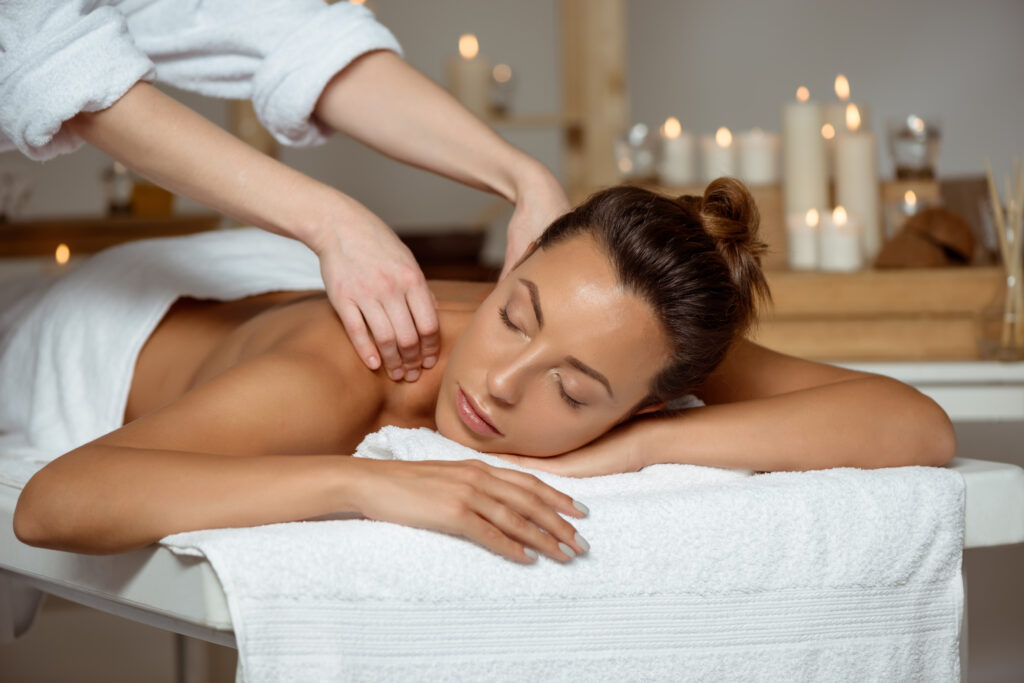
The Classic: Swedish Massage
This is your all-rounder, your “I just need to relax” go-to. It’s perfect for first-timers or anyone who wants a gentle but effective session.
- Best for: Stress relief, relaxation, first-timers.
- Pressure: Light to medium.
The Knot-Buster: Deep Tissue Massage
This is NOT just a “hard Swedish.” A deep tissue massage uses many of the same strokes but goes much slower and deeper, targeting the inner layers of your muscle and connective tissue. It’s for chronic knots and problem areas.
Be warned: It can be uncomfortable (in a “hurts so good” way). You might be a little sore the next day, but the relief is worth it.
- Best for: Chronic muscle pain, stubborn knots, athletes.
- Pressure: Firm to intense.
The Sensory Escape: Aromatherapy Massage
This is a European massage with a powerful upgrade. It’s typically a gentle, Swedish-style session where the therapist uses pre-blended essential oils. The goal is to tackle your issues from two sides: the physical touch and the therapeutic power of scent.
- Best for: Mental stress, anxiety, trouble sleeping, or just needing an escape.
- Pressure: Light to medium.
The Deep Warmer: Hot Stone Massage
This is pure bliss. The therapist uses smooth, heated, volcanic-origin stones as an extension of their hands. The heat sinks deep into your muscles, melting tension before the therapist even applies pressure. This allows them to work deeper, more effectively, and with less discomfort than a traditional deep tissue.
- Best for: Deep muscle tension, poor circulation, ultimate relaxation.
- Pressure: Light to firm (but the heat makes it feel deeper).
At-a-Glance: Choose Your European Massage
| Massage Type | Best For | Typical Pressure | The “Human” Vibe |
| Swedish (The Classic) | General relaxation, stress relief, first-timers | Light to Medium | “I need a one-hour vacation.” |
| Deep Tissue (The Knot-Buster) | Chronic pain, tight muscles, post-gym | Firm to Intense | “It hurts, but I love it.” |
| Aromatherapy (The Escape) | Mental stress, anxiety, insomnia | Light to Medium | “My brain won’t shut off, please help.” |
| Hot Stone (The Melter) | Deep-seated tension, winter chills, pure luxury | Medium to Firm (with heat) | “I want to melt into the table.” |
Finding Your Sanctuary: How to Choose the Best European Massage in Dubai
Dubai has thousands of options. Here’s how to find a gem, not a dud.
“European Massage” vs. “European Therapist“
You’ll see this a lot in Dubai: spas advertising “Russian,” “Ukrainian,” or “Polish” therapists. This is a common marketing angle in the region.
Here’s the truth: A passport doesn’t make a good therapist. A skilled, certified, and intuitive therapist from any country is better than an uninspired one. Don’t get too hung up on the nationality; focus on their qualifications and the spa’s reviews.
Read the Reviews (The Smart Way)
Don’t just look at the 5-star rating. Dig into what people are saying.
- Bad review: “It was okay.” (Useless)
- Good review: “I had a 60-minute Swedish with [Therapist’s Name]. I told her about my lower back pain, and she spent extra time on it. The pressure was perfect. I walked out feeling 10 times lighter.” (This is gold!)
Look for reviews that mention:
- Cleanliness
- Professionalism
- Whether the therapist listened to their requests (e.g., pressure)
- Punctuality and a calm atmosphere
The Big Question: What’s the Average Cost of a European Massage in Dubai?
Ah, the “how long is a piece of string” question. Prices in Dubai vary wildly. Here’s a realistic breakdown:
- Mid-Range Spas & Centers: For a 60-minute European (Swedish) massage, expect to pay between AED 300 and AED 450. These are often fantastic, no-fluff centers focused on quality treatment.
- Luxury & Hotel Spas (e.g., Jumeirah, The Palm, Downtown): You’re paying for the robe, the fancy slippers, and the “relaxation lounge” with fruit-infused water. Expect AED 500 to AED 750+ for a 60-minute session.
Pro Tip: Look for “happy hour” deals. Many spas offer 20-30% discounts for off-peak appointments (usually 10 a.m. to 3 p.m. on weekdays).
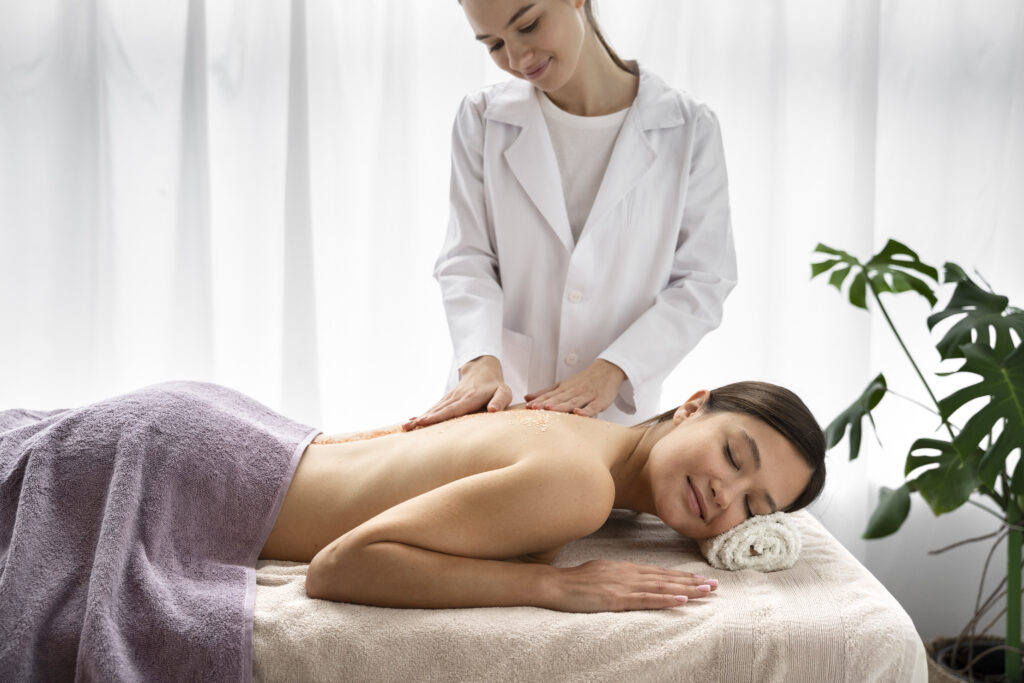
Your First-Timer’s Cheat Sheet (Massage Etiquette)
Nervous about your first European massage in Dubai? Don’t be. Here’s how it goes.
- Arrive Early: At least 15 minutes. You’ll have paperwork, and you don’t want to be a-flurry of stress before your stress-relief treatment.
- What to Wear: You wear… nothing. (Under the robe and towels, of course). You’ll be given a robe and disposable underwear. The therapist will leave the room while you change.
- The “Draping” Magic: You will be covered by a sheet or towel at all times. The therapist will only uncover the specific part of your body they are working on (e.g., your back, then your left leg, then your right). It’s all very professional.
- Speak Up! (This is IMPORTANT): This is your time. The therapist is not a mind-reader.
- “Can you go a little bit harder?”
- “That’s a bit too much pressure, please.”
- “Can you spend more time on my shoulders?”
- “The music is too loud.”
- “I’m cold.” Say it! They want you to have a good experience.
Your Final Takeaway: The Self-Care You Deserve
In a city that demands so much of you, a European massage is not an indulgence. It’s an investment. It’s pressing pause on the world, tuning into your body, and giving it the maintenance it needs to keep up with your ambitious life.
So go ahead, book that 60-minute escape. Your body (and mind) will thank you.
Frequently Asked Questions (FAQs)
1. What’s the main difference between a European (Swedish) and a Thai massage?
The biggest difference is the technique and “on-table” experience.
European/Swedish: You’re on a massage table, undressed, using oils or lotions. The focus is on long, gliding strokes and muscle kneading. It’s very relaxing.
Thai Massage: You’re on a mat on the floor, fully clothed (in loose pajamas). There’s no oil. The therapist uses their hands, elbows, knees, and feet to stretch you into yoga-like positions. It’s very energizing and is often called “lazy man’s yoga.”
2. How often should I get a European massage?
It depends on your goals and budget.
For general wellness: Once a month is a fantastic way to maintain your body and manage stress.
For chronic pain: You might start with a weekly or bi-weekly session, then taper off to once a month as you feel better.
3. Will a European massage hurt?
A classic Swedish massage should not hurt. It’s designed for relaxation. If you’ve opted for a Deep Tissue massage, you may feel discomfort in tight, knotted areas. It’s often called a “good hurt”—it’s intense, but you can feel it releasing the tension. Always, always tell your therapist if the pressure is too much.
4. What’s the difference between a European and a Russian massage?
This is a common question in Dubai! While “European” usually means the relaxing Swedish style, a “Russian massage” (which you’ll see on many spa menus here) is often a much more intense, sports-focused, deep-tissue treatment. It’s less about relaxation and more about fixing things, often using more vigorous (and sometimes painful) techniques.
5. What should I do after my European massage?
You have one job: hydrate! Massage releases toxins from your muscles, and drinking plenty of water helps flush them out. Try to avoid strenuous activity, a heavy meal, or a stressful meeting right afterward. Just… chill. Let the benefits sink in.